
A Piercer’s Guide to Metal Allergies
A Piercer’s Guide to Metal Allergies
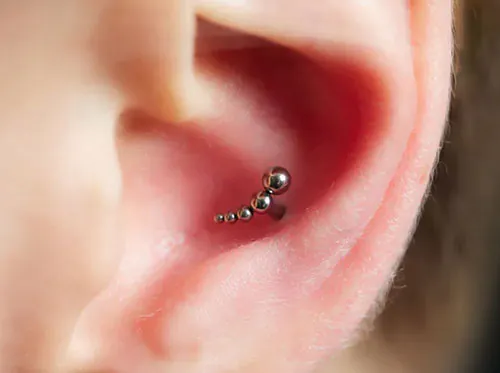
The appearance of metal allergies is growing, and doctors think that exposure to low-quality jewellery is to blame. With the rise in popularity of piercings and other fashion jewellery, we are exposed to more cheap alloys than ever before. Unfortunately, this can lead to lifelong metal sensitivities.
Luckily, the development of a metal allergy can be avoided by choosing proper jewellery materials and simply being aware. Here are the top things that you need to know about metal allergies so that you can set your clients up for success.
Metal allergies develop after prolonged exposure to an alloy
Just because your customer has never had a sensitivity to metal doesn’t mean that one won’t arise. Once a sensitivity for metal develops, it will be a lifelong issue. Metal allergies typically arise due to exposure to a reaction-causing alloy. Although you can develop an allergy to any metal, most people have a reaction to nickel, chromium, or cobalt.
This is why it’s important to choose proper jewellery materials, especially for fresh piercings. When a piercing is healing, the skin is at its most delicate state. Furthermore, jewellery must be worn for weeks or months until the piercing has fully healed. If the jewellery contains large amounts of nickel or other cheap alloys, it increases the chances that the piercee may develop an allergy.
Once the piercing has healed, cheaper materials may be worn for short periods of time. However, a metal allergy can still form, so it’s best to limit the exposure to jewellery containing cheap alloys. Those who have sensitive skin should stay away from low-quality metals entirely.
Reactions can get worse when you sweat
Reactions can get worse when you sweat
Sometimes, an allergy can develop from sweat. When you sweat, it can destabilize an alloy, causing atoms to penetrate the skin. The body then views the alloy as an invader that needs to be eliminated, resulting in a skin reaction. Once this occurs, you’ve developed a metal allergy for life.
Because of this, it’s best to stay away from jewellery containing low-quality alloys in the summer months, when you exercise, or when you’re in a warmer area. Tell your clients to remove any costume jewellery or cheaper jewellery options when they start to sweat, especially if they already have skin sensitivities.
Nickel is the most common metal allergy, but not the only one
Part of the reason why nickel-free jewellery is touted as hypoallergenic is because nickel is the most common metal allergy by far. According to this study, about 17% of men and 3% of women have a nickel allergy. However, it’s not the only metal allergy. About 1% – 2% of people have an allergy to chromium and/or cobalt. It’s important to remember that just because someone is having a reaction to their jewellery doesn’t mean that nickel is the culprit. If your client comes to you with a reaction, switch to a jewellery material that carries as few alloys as possible.
Reaction-causing alloys hide in unexpected places
Nickel mixes well with many different metals, which makes it a popular alloy choice. This also means that it can be found in unexpected places. Those who have severe metal allergies cannot take for granted that a material doesn’t contain nickel, even if it’s high-quality.
Here are some unexpected places where nickel may hide.
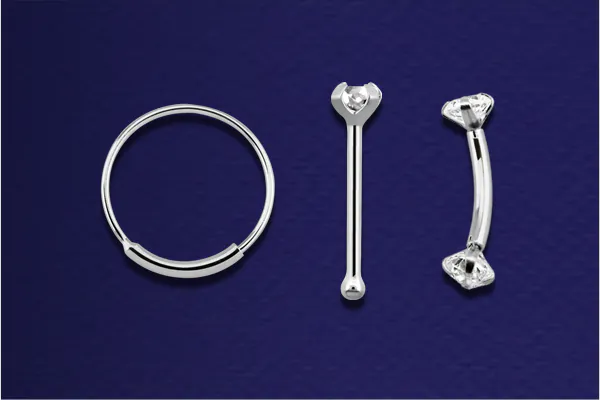
White gold
To attain the white colour, gold is often mixed with nickel. Even high purities, like 14k and 18k white gold, might have some nickel. Those with metal sensitivities must shop specifically for nickel-free white gold. Or, they can opt for 925 sterling silver, which contains only silver and copper and offers a similar aesthetic.
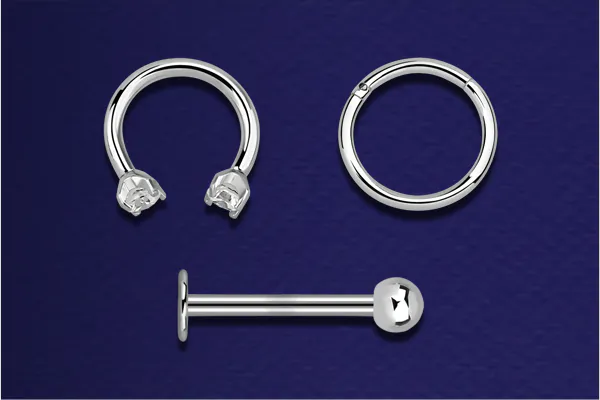
316L surgical steel
Even though this type of steel is safe to use on healing piercings, it still contains between 13% – 15% nickel. Because its nickel content is low, it’s safe for most people. However, if your client has nickel sensitivities or skin problems, then you should choose titanium jewellery instead.
Symptoms of metal allergies
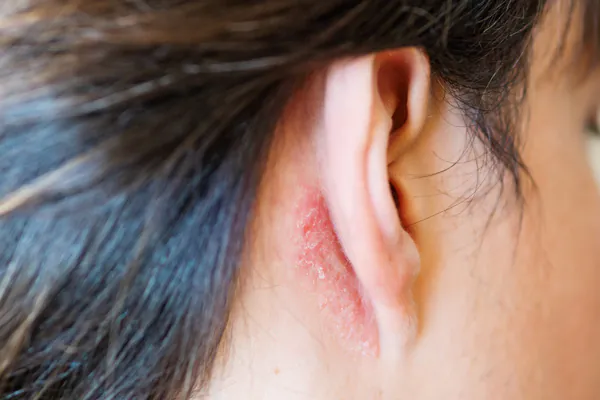
Only in very rare cases are metal allergies severe. Most of the time, it develops only as an uncomfortable and itchy rash. If your clients develop the following symptoms, consider changing their jewellery to something that contains few low-quality alloys:
- They develop a rash around the piercing site
- They experience redness or swelling
- They develop blisters
- They experience dry spots around the piercing site
It’s important to remember that metal allergies don’t end at jewellery. If it seems as though your client has developed a metal allergy, warn them to stay away from other cheap metals as well to avoid uncomfortable symptoms. Low-quality metals are found in belts, bra clasps, jeans buttons, watchbands, and more.
How to avoid metal allergies
The best way to steer clear of metal allergies is to avoid prolonged exposure to low-quality metals. People develop metal sensitivities after long-term contact with cheap alloys. So, to avoid developing a metal allergy, you simply need to avoid allergy-causing alloys as much as possible.
For concerned clients, here are the best ways to stay allergy-free:
Avoid costume jewellery and jewellery that contains high amounts of nickel. Materials that contain small amounts of nickel (like 316L surgical steel) are fine for most people, however, those who are more prone to skin sensitivities should avoid nickel entirely.
Remove jewellery containing nickel or other low-quality alloys when it’s hot or you’re exercising, as sweat can trigger an allergy.
Never wear cheap materials in a healing piercing.
If you wear cheap jewellery materials, make sure that you limit your exposure. Costume jewellery for an event or performance is fine as long as it’s worn for only a few hours.
How to treat a metal allergy

Unfortunately, once you develop a metal allergy, you have one for life. The only thing you can do is avoid the reaction-causing metal. Determining which metal you have an allergy to can be difficult. When in doubt, avoid all low-quality metals.
When a reaction occurs, remove the jewellery that’s causing the issue. The reaction should go away in a few days. In more severe cases, it might take a couple of weeks. You can minimize discomfort by using a cold press or applying a cream (as long as the piercing is fully healed).
Metal allergies aren’t fun, but they’re typically minor. Make sure that you help your clients avoid a metal allergy by recommending proper materials and educating them on the dangers of prolonged exposure to low-quality alloys.
Be sure to check out our wide range of hypoallergenic jewellery, including titanium jewellery that’s completely free from nickel. Our jewellery enjoys the highest levels of quality control so that you can be sure that even clients with metal sensitivities can enjoy a safe and healthy piercing experience.
Publication date and/or Last Updated: April 27, 2024
Author: cesar@suprank.com
Views: 488
Copyright Holder: Acha Co., Ltd.
Company info: WholesaleBodyJewellery is owned and operated by Acha, a leading manufacturer and online supplier of piercing jewellery with more than 20 years in the industry.


