
VCH Piercings Are on the Rise. Here’s What Piercing Professionals Need to Know
VCH Piercings Are on the Rise. Here’s What Piercing Professionals Need to Know
Vertical clitoral hood or VCH piercings are the most common vulva piercings for a few reasons. They’re relatively low-pain, they have a manageable healing period, and are suitable for most anatomies.
There are a few motivations for the VCH piercing. Some get it to express body positivity. Others enjoy the excitement it adds to the bedroom.
Whatever the purpose, the VCH piercing is in high demand. Because it’s located in such an intimate area, piercing studios must ensure that their staff knows how to handle such a request. Here’s what you need to know.
What is a VCH piercing?
A VCH piercing is a female genital piercing, more precisely a vulva piercing, that goes vertically through the skin surrounding the clitoris. The protective layer of skin, called the prepuce, encapsulates the clitoris like a tunnel. If piercees have enough skin here, the top portion of it is pierced and filled with a VCH piercing bar, which can be a straight barbell, curved barbell, or a hoop.
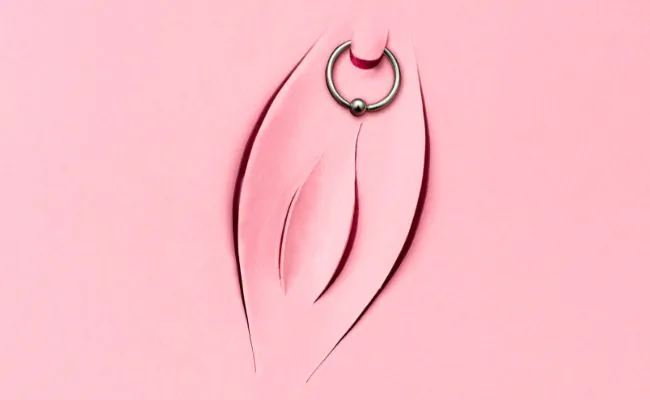
The jewellery does not go through the clitoris, but it does rest on top of it. This can lead to increased pleasure for the wearer during intercourse. But, it’s not just for bedroom enjoyment. Decorations like gemstones or opals offer a gorgeous sparkle in an intimate area.
Why do people get vertical clitoral hood piercings?
There are tons of reasons why people get VCH piercings, and not all of them are sexual.
Here are some of the VCH piercing benefits that piercees enjoy.
- Sexual pleasure: Many report increased arousal, as the jewellery rubs against sensitive areas. In fact, some people who have struggled with arousal reported improvement after getting their VCH pierced. However, jewellery can change sensation, and some people report that their VCH made arousal more difficult. Make sure that your client is aware of these potential changes before they get pierced.
- Empowerment: VCH piercings can help people feel empowered. Lots of VCH piercees got it to express love for themselves and their bodies, especially if they’ve struggled with bodily acceptance.
- Aesthetics: Getting a VCH piercing doesn’t have to be deeper than the piercee simply liking the way it looks.
Preparing for the piercing
Getting a VCH piercing, or any genital piercing for that matter, requires plenty of professionalism and patience. The VCH is placed at the deepest point of the hood, so you’ll need to get up close and personal to evaluate their anatomy and conduct the piercing. This takes a ton of trust from the piercee.
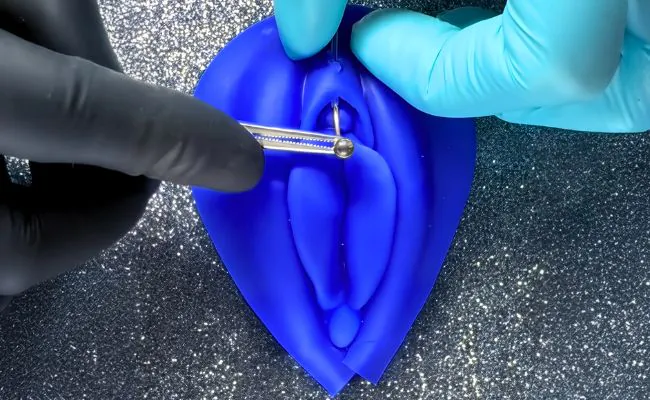
Before you begin, take ample time to speak with your client, walk them through the piercing process, and make sure they feel safe. When scheduling the appointment, leave plenty of time for them to take breaks when needed. They’re leading the process; if your client needs to wait for a moment to mentally prepare, let them.
Once you’ve walked your client through the process and ensured they feel safe, you can take a look at their anatomy to plan the piercing.
If everything looks good and the client is ready, you can begin the piercing process.
VCH piercing procedure
The VCH piercing should be done with a needle receiving tube or freehand. It should not be done using forceps; these can hurt the clitoris or result in jewellery that sits too far away for clitoral stimulation. It’s usually pierced with a 14G or 12G hollow needle.
The piercing itself is relatively easy, as it goes through such a thin piece of tissue. As you complete the procedure, keep in mind that some piercees may experience an orgasm or become aroused. It’s a body’s natural reaction, and as long as you don’t feel as though any lines have been crossed, it’s perfectly normal. If this happens, the client may be embarrassed, so practice professionality to make sure that they feel comfortable.
The immediate aftermath
VCH piercing pain is surprisingly low. The tissue it goes through is quite thin, so the procedure is quick with little discomfort. Most report a dull ache that goes away quickly, placing the pain level at 5 – 6 out of 10 and well below the pain level for cartilage piercings. Often, the pain has already subsided by the time the piercee gets dressed to leave.
Minimal bleeding may occur, so have some pads handy for the client’s journey home, and warn them of potential bruising, which is normal.
VCH piercing aftercare
Once the piercing is complete, it’s up to your client to care for it. VCH piercing healing takes 4 to 8 weeks, and your clients must maintain aftercare throughout the entire healing period.
The most important part of aftercare is keeping the piercing clean. Your clients must clean their VCH 2 – 3 times daily with piercing aftercare saline solution. They can do this a few different ways.
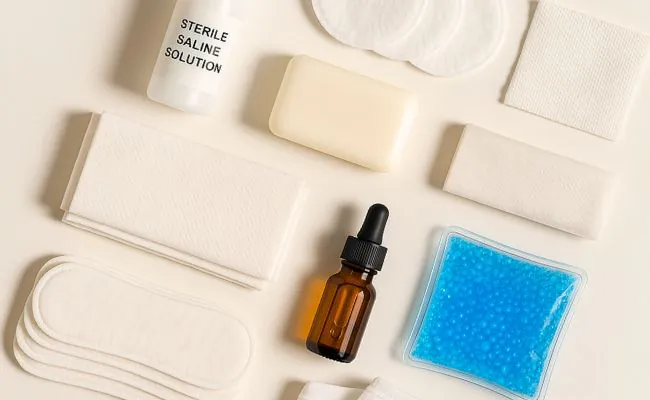
- Soaking a clean paper towel in saline solution and gently wiping the entry and exit points.
- Directly spraying their piercing with saline solution.
- Filling a small glass with solution and soaking the piercing for a couple of minutes.
Here are additional aftercare rules you must impart to your customers:
- Do not touch or play with the jewellery until healing is complete.
- Keep the jewellery as still as possible. Avoiding sex is preferable, but if it’s a must, practice utmost care.
- Avoid bathtubs, hot tubs, lakes, swimming pools, and other water activities.
- Gently dab the piercing dry after urinating. Luckily, your own urine won’t harm the piercing, but germs from the toilet and toilet paper can, so practice care.
- Wear snug cotton underwear that will keep the piercing still without placing too much pressure. Avoid lacy underwear, as it could snag the jewellery.
- Take extra care to dab the piercing dry after a shower, as you must keep the piercing as dry as possible throughout healing.
- Keep any non-piercing product away from the VCH, including tea tree oil, lubrication, or lotions.
- Be careful when shaving around the piercing.
The genitals have the ability to heal quickly and easily, and the healing process for the VCH is a lot easier than some other more traditional piercings, like cartilage piercings. Most people report an easy healing period with few issues as long as they properly clean and care for their VCH throughout the entire 4 – 8 week healing process.
VCH piercing complications
Even though the VCH piercing is relatively easy to heal, it has its risks. Here are some of the most common ones.
- Damage to the piercing site: If the piercing is done incorrectly, you could nick the clitoris or place the piercing awkwardly. As a piercing professional, you must ensure that you have the proper training to complete the VCH. Genital anatomy is complicated, and it takes extra training to do the VCH piercing correctly.
- Piercing bump: A small bump at the top of the piercing may arise. This can often be rectified by keeping the piercing dry and wearing snug cotton underwear that keeps the jewellery still without placing too much pressure.
- Infection: Piercing infections are not as common as you’d think, but they do happen, so it’s important to know the signs. If the piercing has green or yellow discharge, is painful to the touch, swells significantly, or starts bleeding well after the piercing procedure, it may be infected. In this case, encourage your clients to get medical attention immediately.
Choosing the right jewellery
VCH piercing jewellery includes straight and curved barbells and hoops. They’re typically pierced at 14G or 16G. Jewellery length depends on the anatomy of the wearer, but they’re usually small—around 10 mm.
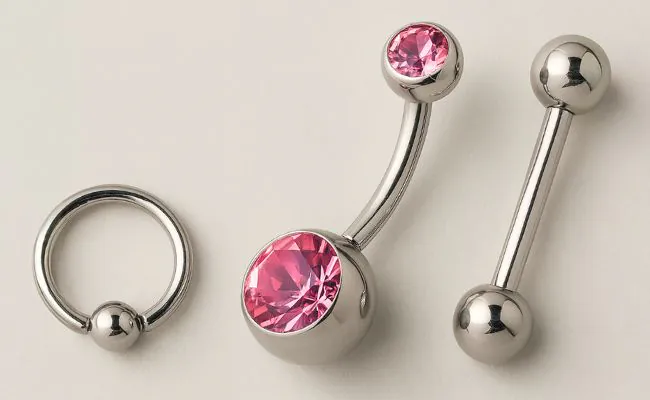
For fresh piercings, the most common materials are 316L surgical steel or G23 titanium. Both are inexpensive, lightweight, and biocompatible, making them healthy for healing piercings. 14k or 18k gold can also be worn in healing piercings, but most people wait to invest in precious metals until their piercing has fully healed.
Once the VCH piercing has completed the healing process, it can wear jewellery made of other materials. Acrylic is a great option if the piercee wants some flexibility in their jewellery. It’s important to note, however, that acrylic is not suitable for longtime wear.
VCH piercings look amazing decorated with cubic zirconia, faux opals, and other decorations. When picking VCH piercing jewellery, keep in mind the sensitive nature of the piercing location, and avoid decorations with sharp edges or dangles. Opt for bezel settings and smooth finishes.
Get wholesale VCH piercing jewellery at Acha
If you’re looking for one-of-a-kind VCH piercing jewellery in the UK, we’ve got it here! We offer a wide range of curved barbells, straight barbells, and hoop styles suitable for VCH piercings. Whether your clients are looking for something edgy, sleek and seamless, or glittery, we have it.
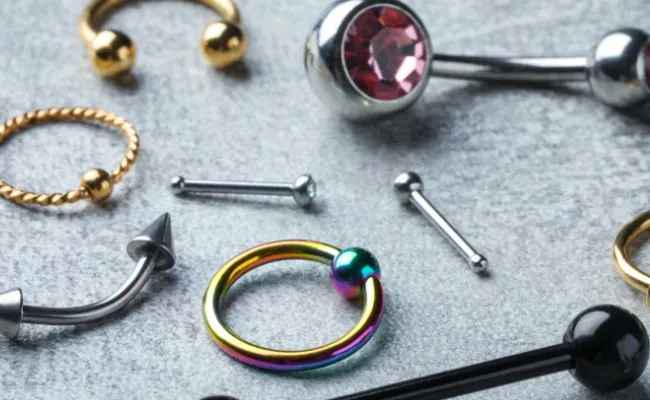
Our selection includes both internally threaded and threadless options as well as individually packaged, EO gas sterilised jewellery that’s ready to go. We’ve been in the body jewellery business for over 20 years, and we understand how important safety is. That’s why we practice top standards of quality control and ensure compliance.
We have thousands of jewellery items to choose from, so you’ll be sure to find offerings that your customers can’t find elsewhere. Our customer service team is always ready to answer your questions, and we’re here to help you stock your studio with the piercing jewellery of your dreams. Contact us today!
FAQ
Do VCH piercings enhance sexual pleasure?
They can, depending on the person. While some people report improved arousal, others claim that it caused arousal difficulties since they had to get used to the sensation of the jewellery.
Does it go through the clitoris?
The VCH piercing does not go through the clitoris. It goes through the tissue surrounding the clitoris.
How painful is a VCH piercing?
VCH piercings aren’t as painful as you’d think. Most people place it at 5-6/10 on the pain scale and claim that it hurts less than cartilage piercings.
How long does it take to heal?
VCH piercings take 4 – 8 weeks to fully heal.
What gauge is a VCH piercing?
VCH piercings are typically pierced at 14G or 12G.
Can you have sex with a new VCH piercing?
You must keep the jewellery as still as possible while the piercing is healing. Therefore, while it’s recommended that you avoid sexual activity during the healing period, you can have sex with a new VCH piercing as long as you are gentle, minimise jewellery movement, and clean the piercing afterwards. It’s recommended, however, that you do your best to wait a couple of weeks or until initial healing is complete.
Can you lose sensation from a VCH piercing?
A properly placed VCH piercing will not cause a loss of sensation, as it goes through the tissue around the clitoris and doesn’t touch any important nerve endings.
Does a VCH piercing smell?
The VCH piercing doesn’t smell as long as you take care of it. Any piercing may develop a stench if it’s not cared for and if the jewellery isn’t removed every once in a while for cleaning.
Publication date and/or Last Updated: October 19, 2025
Author: cesar@suprank.com
Views: 558
Copyright Holder: Acha Co., Ltd.
Company info: WholesaleBodyJewellery is owned and operated by Acha, a leading manufacturer and online supplier of piercing jewellery with more than 20 years in the industry.


