
How to Achieve Your Dream of Opening a Piercing Studio
How to Achieve Your Dream of Opening a Piercing Studio
Many piercers dream of opening their own studios. What can be better than being your own boss, building your brand, and carving your unique place in the piercing community?
Because of the many regulations surrounding piercing studios, health and safety considerations, and the standard challenges of opening a business, the road to setting up a piercing studio can be a long one. Don’t be dismayed; the prize at the end is more than worth it.
To help you along the way, here are some common challenges to opening a piercing studio in the UK and how you can navigate them.
Understanding the industry
Before you open any business, you have to understand the industry. Even if you’ve been in the piercing world for a while, you need to take an objective look at the industry, your target market, and local competition. This will help you understand the feasibility of running a successful piercing studio, set your start-up budget, and design a brand and business plan that aligns with your target customers.
Here are some metrics that you should collect:
- Local competition: How many studios are already in the area, and how much do they charge for nose piercings?
- Customer base: Is there a large enough customer base to keep your business in operation?
- Gaps in the market: Familiarise yourself with the branding and target markets of the studios in your area. Identify potential gaps in the market and how you might tap into them. For example, if local studios primarily target more alternative clientele, you might position yourself as an expert in professional-friendly piercing choices, or vice versa.
- Customer loyalty: What is the potential of return customers? Do piercees in your area seek multiple piercings?
Common challenges
Once you’ve done your market research and have determined that your preferred locality does, in fact, have a market for the brand that you want to build, it’s time to set up your studio.

Here are some of the common challenges you may stumble upon. Don’t worry, we cover the solutions to these challenges in the following section.
- Choosing a location: You must determine where you can legally operate a piercing studio while also considering whether it’s accessible to your target demographic.
- Compliance: You must be well-versed in local health and safety regulations and ensure that your studio complies with these standards. Be prepared for regular inspections.
- Supply chain management: To operate effectively, you need to find a trusted supplier. Do your research to find high-quality vendors who adhere to your standards of quality control and comply with local laws.
- Staff: You must develop hiring protocols to ensure that you have a staff that you trust. Not only must they carry the necessary qualifications, but they must also reflect your brand in a positive way.
- Creating a brand: You could just open a studio and call it a day, but that’s boring, and it’s unlikely to attract customers. By designing a logo, creating a unique atmosphere and studio design, and building a community that engages your target market, you’ll set yourself apart and help build a loyal customer base.
How to avoid common pitfalls when opening a piercing studio
Luckily, the challenges of opening a piercing studio are easily avoidable with proper research and planning.
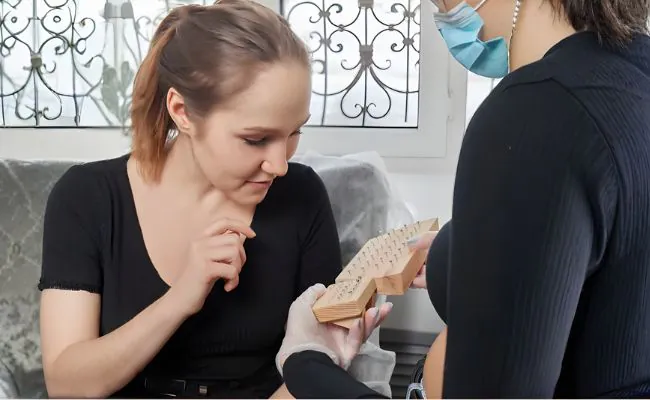
Here are some steps you can take to avoid common pitfalls.
- Compare different locations before landing on one: This will require conducting market research for your proposed locations so that you can find the optimal spot for your customer base and brand. Make sure that the locations you choose offer an aesthetic that aligns with your brand, including an inviting reception and proper facilities. It should have space for privacy, rooms for storage, and space where you can sanitise your equipment.
- Attain proper licensing: Do your research and ensure that you are fully knowledgeable about local laws and legislation so that you can attain the proper licensing & permits. More about this below.
- Partner with a trusted supplier: Your jewellery, supplies, and studio equipment can make or break your studio. Take the time to fully research and vet potential suppliers until you find one that you can trust. Consider things like quality control and safety, customization of offerings, and trustworthiness. Partnering with an established supplier with a proven track record can take a lot off your plate and ensure that you offer the very best to your clients.
- Offer training/workshops and competitive pay to your employees: To ensure the best performance from your staff, you should offer consistent training, professional development opportunities, and competitive pay. This will attract the most talented piercers and assure that they adhere to your high standards.
- Maintain maximum hygiene: Conduct in-house inspections routinely to ensure that you adhere to or exceed the highest standards and are prepared for surprise inspections.
- Financial management: Create a realistic monthly, quarterly, and annual budget and stick to it. Include some wiggle room for potential obstacles, especially during the first few years of operation. To help you keep up with finances, invest in accounting software that’s scalable so that it can grow alongside your business.
- Create a marketing strategy: To attract your target clientele, you’ll need to do more than post on social media and call it a day. Use your market research to figure out the best ways to reach potential customers and how you might communicate your services in a way that resonates. Explore strategies like writing a blog, promoting your business with online ads, partnering with social media influencers, offering discounts, creating loyalty programs, and more.
Legal requirements for opening a piercing studio in the UK
Perhaps the most important step in opening a piercing studio in the UK is understanding and complying with legal requirements. Here are the top considerations for new piercing studio owners. Please note that this is not considered legal advice but rather a jumping-off point for those at the beginning of their journeys.
Licensing and permits
To open a piercing studio in the UK, you will first have to obtain a Tattoo, Piercing, and Electrolysis License with your local council. In England, Scotland, and Wales, you must attain this license for both yourself and your premises. In Northern Ireland, it depends on the local council.
You can find detailed information on how to get a Tattoo, Piercing, and Electrolysis License based on your location in the UK right here.
Make sure to pay attention to specific regulations and license requirements depending on your location.
Greater London (excluding the City of London), for example, must get a Special Treatments License. In London, you must also regularly update your license, whereas most other licenses are valid for as long as you are in operation at the same premises.
Insurance
Due to the nature of piercings and the potential complications that can occur as the result of poking a hole in the body, you should protect yourself with the appropriate insurance.

While some insurance types are required to gain relevant licensing and registration, other types of insurance are simply a good idea.
- Public Liability Insurance protects businesses and individuals against personal injury or damage claims. This is important for a piercing studio, as mistakes happen, and you don’t want to go bankrupt because you’re found at fault for an injury.
- Professional Indemnity Insurance protects against claims of negligence, such as giving incorrect advice or a procedural error leading to client injury. It’s similar to Public Liability Insurance, but it covers different things. Public Liability Insurance covers you for direct injury or damage caused. Personal Indemnity Insurance protects you from injury or damage that occurs as the result of more indirect means, such as an unintentional breach of confidentiality, defamation or libel, or poor advice.
- Employer’s Liability Insurance covers you for issues related to employees, such as if they become sick or injured as a result of working at your studio. If you employ staff, it’s legally required to have Employer’s Liability Insurance.
Complying with health regulations
As part of the licensing and registration process and throughout the operation of your studio, you will have to ensure that you comply with your local council’s health and safety standards.
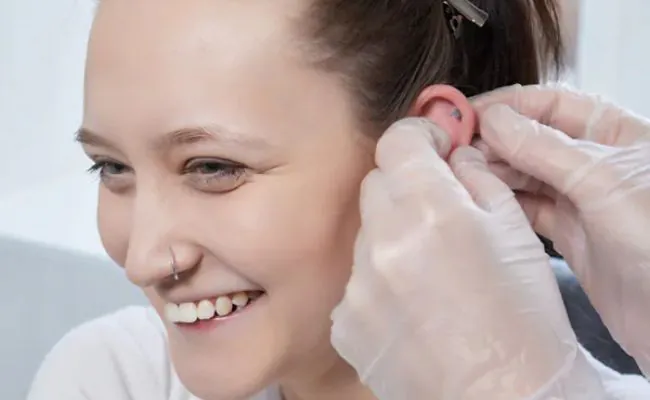
Your studio will undergo regular inspections to ensure compliance.
- Health and Safety Executive (HSE) Guidelines: The studio must comply with the Health and Safety at Work etc. Act 1974 and the Control of Substances Hazardous to Health Regulations 2002 (COSHH). This includes proper sanitation, sterilization of equipment, and safe disposal of needles.
- Environmental Health Inspection: Before opening and as part of the licensing process, environmental health officers will inspect the studio to ensure compliance with health and safety standards. Regular follow-up inspections may also occur. Make sure that you are up to date with your local council’s requirements.
Age restrictions and consent
Not only must you adhere to the age restriction in your area, but you must also set up strict protocols to ensure that your staff do not accidentally break these rules.

Make sure that employees who deal with clients know to check ID, even if the client looks old enough, and that you provide detailed consent forms before any appointment.
- Legal age limit: In the UK, age limits for piercings vary depending on the location. There is no official age limit on piercings, except for intimate piercings (which refers to nipple piercings for females and genital piercings for all genders), which can only be done on those 18 and older. Some councils set an age limit of 16 for piercings as a condition of the license. In Scotland, if you’re under 16, you have to have a parent or guardian come with you and provide consent. It’s important to note that there may be different regulations depending on the local authority.
- Consent forms: Use detailed consent forms that comply with regulations set forth by the Data Protection Act to record client information, the specific piercing they are receiving, and confirmation of their age. This documentation is crucial for legal and health record-keeping purposes.
Data Protection Act compliance
The Data Protection Act of 2018 outlines requirements surrounding how personal data is handled by businesses, employers, and governments.
- Data protection: Any personal information collected from clients, including contact details and medical history, must be handled and stored in accordance with the Data Protection Act. This includes obtaining explicit consent to store and use personal data as well as notifying the Information Commissioner Office if you automatically process customer data.
- Privacy policy: It’s important to have a clear privacy policy that explains how customer data will be used and stored and for how long.

Licensing, insurance, and compliance are essential to running a piercing studio. Therefore, these considerations must be at the forefront of your operations at all times. Make sure that you take the time to understand what’s required of you and stay up-to-date with any rule changes and registration updates.
How our products and services can help
Although your supply chain might not be your top consideration at first, you’ll soon find that your wholesale partner can make or break your studio.
While a fantastic partner will ensure smooth logistics, client safety, and a wide range of product offerings, choosing an inadequate supplier can result in a range of issues. These include client injury from poorly made tools, logistical errors that cause delays in services, and stagnant offerings that don’t speak to your clientele.

Here at Acha, we have been in the body piercing business for a long time—over 20 years. During that time, we’ve cultivated many long-term relationships with piercing studios from all over the UK. We adhere to the highest standards of piercing supply safety, and you’d be hard-pressed to find more stringent quality control elsewhere. We care about your clients’ safety as much as you do.
Here are some of the top things that our clients have enjoyed about our services:
- High-quality piercing tools and jewellery: Safety is our main priority, which is why all of our body piercing tools and jewellery adhere to the highest global standards.
- Wide selection: We’ve got tons of jewellery options to choose from that cater to any style. If you have something specific in mind, let us know, and we might be able to make it happen. This includes various jewellery materials, styles and shapes, and different types of attachment options.
- Reliable support: Our customer support team is always available to answer your queries. We’ve also got multiple shipping partners to avoid delays during shipping when importing body jewellery.
- Branding and customization: We offer unique packaging options that can include your branding to elevate your customer experience.
Conclusion
The path to opening a piercing studio in the UK is a long and winding one, but it’s rewarding. At the end of the day, if you do your research, obtain the proper permits, build an excellent business strategy, and adhere to the highest health and safety standards, there’s no reason why you shouldn’t see success.
Let Acha make the journey a little easier by offering piercing supplies and jewellery that you and your customers will love. Interested in learning more? Contact us today!
Publication date and/or Last Updated: August 31, 2024
Author: cesar@suprank.com
Views: 556
Copyright Holder: Acha Co., Ltd.
Company info: WholesaleBodyJewellery is owned and operated by Acha, a leading manufacturer and online supplier of piercing jewellery with more than 20 years in the industry.


